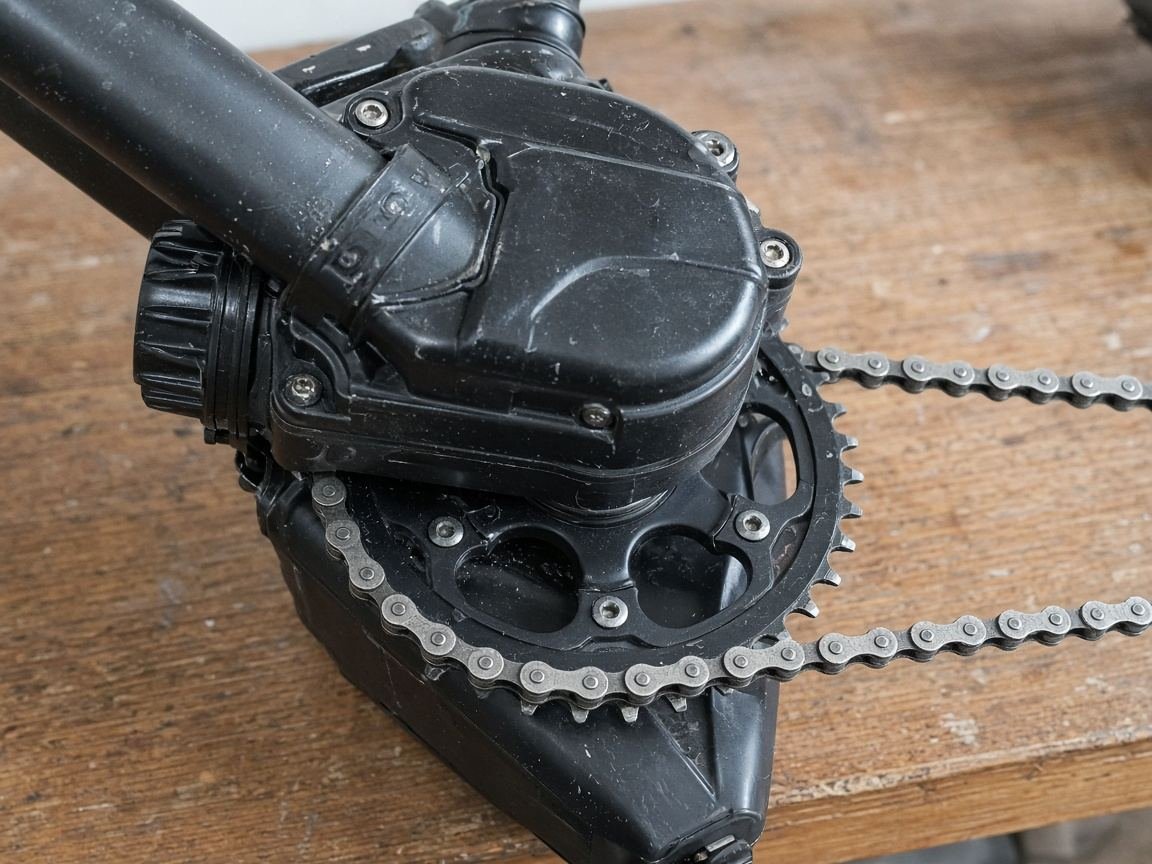
Conversion kits electrify a bicycle you already know — fit, geometry, and baggage. Done well, they are one of the highest-value paths in e-biking. Done poorly, they stress dropouts, overheat connectors, and create unsafe braking gaps.
Who conversions are for
- You like your current bike’s fit and want assist
- You want to control parts quality piece by piece
- You can measure fitment and follow torque/safety basics — or pay a shop
Who should buy a complete e-bike instead: riders who need integrated warranties, tidy cable routing, and minimal wrenching.
Pick a path
- Read the conversion kit buying guide
- Choose architecture with hub vs mid-drive
- Confirm kit compatibility
- Size battery Wh and voltage safely (battery safety, 48V vs 52V)
- Upgrade brakes if speed/weight rise
Kit categories on this site
- Hub motor kits
- Mid-drive kits
- Front hub kits
- Rear hub kits
- Fat-tire conversion kits
- Cargo bike conversion kits
Class-legal conversions
Your finished bike’s class behavior depends on throttle presence and assisted speed limiting — not only the kit marketing name. Configure for the routes you ride: US e-bike classes.